
Everskies: Virtual Dress up
Pocket WorldsRole Playing
4.54.25K Reviews
- Version
- 1.2.10
- Installs
- 10.00M
- Age Rating
- Teen
Screenshots

Our Review of Everskies: Virtual Dress up
 Analysis by Appyee
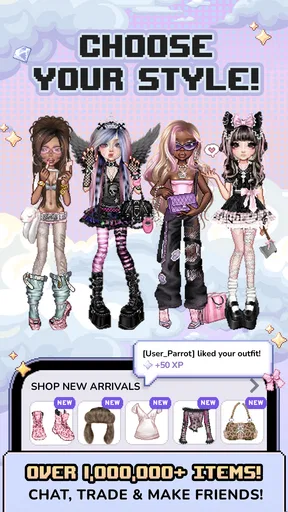
I went into Everskies: Virtual Dress up expecting a simple avatar styling game, but it feels closer to a small social world built around personal taste. You create a character, change their appearance, explore a colorful setting, and interact with other players. The role-playing label makes sense, although this is not the kind of RPG I would choose for combat, quests, or deep character statistics. Its appeal comes from expression, collecting, conversation, and the pleasure of making an avatar look exactly the way I want.
Pocket Worlds has made something that is easy to understand within minutes but capable of holding attention for much longer. I can open it for a quick outfit change, spend time comparing visual details, or stay longer when I feel like browsing the community. That flexibility is one of its strongest qualities. It is free to start, rated Teen, and available for devices running Android 7.0 or later. The current version is 1.2.10, so anyone returning after a break should check that their installation is up to date before judging the experience.
How the current experience feels
I’ll use this section to focus on the small choices that make a session feel comfortable, from deciding how much time to spend styling to setting sensible boundaries around social interaction. I find that treating each visit as a self-contained creative break helps keep the game enjoyable, rather than turning it into another task to finish. That steady approach also makes it easier to notice what the latest release changes for returning players.
A dress-up game with a social center
The central activity is styling an avatar, but the social side gives those choices a purpose. In a purely offline dress-up app, I might create an outfit and close the screen once I am satisfied. Here, the character becomes part of a wider identity. The way I dress communicates a mood, a favorite aesthetic, or the kind of community I want to join. That makes small choices feel more meaningful than they would in a basic wardrobe editor.
I especially like that the game does not force one definition of attractive. A polished formal look, a playful combination, a darker style, and an intentionally unusual outfit can all feel valid. The freedom is useful for players who enjoy experimenting rather than chasing a single ideal appearance. It also makes the experience more personal: two people can begin with the same basic concept and end up with avatars that say completely different things about them.
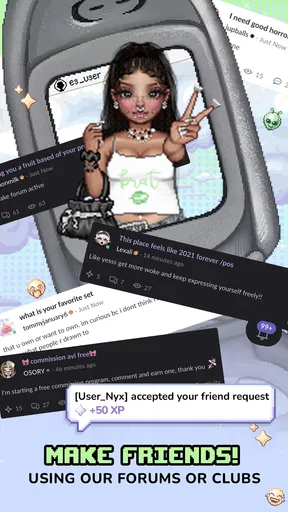
The social layer is also why I would not describe this as a solitary customization tool. Meeting new people is part of the intended experience, and that changes how I use the game. I pay more attention to presentation, browse ideas from other players, and think about whether an outfit works as a complete look instead of merely checking whether each individual item is attractive.
What I actually do during a typical session
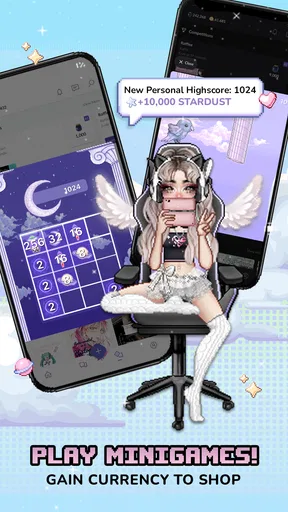
My usual session starts with a practical goal. I may want to refresh my avatar, try a different color combination, or create a look that fits a particular mood. After that, I naturally drift into browsing and social activity. This is a good example of how the game avoids needing a traditional mission structure to keep me involved. The activity is self-directed, so I can stop after a few minutes without feeling that I have abandoned an important objective.
A realistic everyday use case would be opening it during a short break after school or work. I can make one small change, look around, and leave without needing to remember a complicated battle setup. On a quieter evening, I can take more time to refine an outfit and interact with the community. That makes it more convenient than many role-playing games when I want something creative but not demanding.
There is a trade-off, though. Players who need clear goals, constant progression, or a strong story may find the open-ended structure lacking. I never get the same sense of urgency that I would get from a quest-driven RPG. The game works best when I bring my own reason to play, whether that is fashion experimentation, social discovery, or simply enjoying a virtual identity.
Why the avatar editor matters more than it first appears
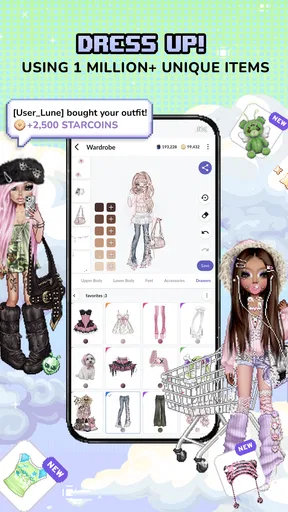
The styling tools are not just decoration. They create a repeatable process: choose a direction, test combinations, notice what clashes, and refine the result. I found it more rewarding to begin with a concept instead of selecting items randomly. For example, deciding on a soft color palette first helped me avoid an outfit that looked like a pile of unrelated pieces.
One useful habit is to build around a single focal item. If a particular garment or accessory is visually strong, I can keep the rest of the outfit quieter so the final result feels intentional. The opposite approach also works: use simple clothing and let several smaller details create the personality. Thinking this way makes the editor feel less overwhelming and gives players a repeatable method for creating better looks.
Another practical tip is to judge the complete avatar rather than becoming attached to one item. Something that looks impressive by itself may not fit the pose, colors, or overall silhouette of the outfit. I often get better results by removing one favorite piece than by adding three more. That kind of editing is where the game becomes surprisingly satisfying for anyone who enjoys visual design.
Social interaction requires a little judgment
The opportunity to meet people is attractive, but it also means I treat the social side differently from the wardrobe side. I would not share personal information simply because another player seems friendly, and I would leave a conversation that becomes uncomfortable. The Teen rating is a useful reminder that this is a social game, not an isolated character creator.
For younger players, I think the most important question is not whether the fashion is suitable; it is whether they are ready to handle interaction with strangers responsibly. Parents may want to discuss boundaries before allowing regular use. Players who prefer complete privacy should also think carefully about whether the community element is a benefit or a source of stress.
I appreciate that the social aspect can make the game feel alive, but it is also less predictable than styling an avatar alone. A player who wants a calm, controlled experience may prefer a single-player dress-up title. Someone who enjoys discovering other styles and making casual connections will probably get much more from this game.
What the recent version means for players
I look at version 1.2.10 as a useful reference point for anyone checking their installation, not as a promise of a different kind of game. For experienced players, the more valuable habit is to revisit their own routine: keep a clear idea of the look they want, avoid spending just to fill a perceived gap, and take a break when browsing stops feeling fun. Those choices matter more to long-term enjoyment than chasing every update.
The current release in context
The game was released on March 2, 2022, and the current version is 1.2.10. Those details matter because this is not a brand-new experiment waiting to prove whether its basic idea works. It has had time to establish its identity as a social role-playing game centered on avatars and self-expression. I see the present version as a mature continuation of that concept rather than a dramatic change into a different genre.
That distinction is important when deciding whether to install it. I would not approach this expecting a conventional RPG to suddenly appear behind the fashion elements. The core experience remains about creating a look, participating in a virtual community, and choosing how much time to invest. The version information helps set expectations, but it does not turn the game into a quest-heavy adventure.
For an existing player, updating is the sensible way to experience the game as intended. New and returning users should also remember that version numbers describe the state of the app, not personal progress. An update can keep the application current, but the enjoyment still depends on whether the social dress-up format suits the player.
How the established design affects returning users
Returning players may appreciate that the game is easy to re-enter. Because the main activity is visual and self-directed, I do not need to relearn a complicated combat system after time away. I can focus on my avatar, look through the current community atmosphere, and decide whether I want to become active again.
The downside is that a player who left because they wanted deeper role-playing mechanics may not find the change they were hoping for. The game’s identity is its strength, but it is also its boundary. It does not need to imitate a traditional RPG to work, and I would rather see it remain focused than add systems that distract from the social styling experience.
Long-term users should also think about how they measure progress. If progress means stronger equipment, increasingly difficult enemies, or a completed narrative, this may feel thin. If progress means improving personal style, finding better combinations, and becoming more comfortable in the community, the same structure feels much more rewarding.
The cost of a free starting point
The game is free to download, which makes it easy to test without committing money first. That is a real advantage for a title whose appeal is subjective. I could quickly discover whether I enjoy its visual style and social rhythm before deciding whether it deserves a permanent place on my device.
There are in-app purchases ranging from $0.99 to $99.99 per item. That wide range is the biggest financial point I would want a new player to understand before getting invested. The free entry is helpful, but the presence of expensive individual purchases means I would set a budget early rather than making decisions impulsively while trying to complete a particular look.
My advice is to treat purchases as optional decoration, not as a requirement for belonging. Before buying anything, I would ask whether the item improves several outfits or only satisfies a short-lived impulse. I would also avoid using a purchase to solve the feeling that an avatar is incomplete. The game is most enjoyable when creativity leads and spending follows only when it genuinely adds value.
Where it stands beside other role-playing choices
Compared with a traditional mobile RPG, this game is lighter on combat, narrative pressure, and structured objectives. A conventional alternative is better if I want a story that tells me what to do, battles that test my decisions, or a clear sequence of upgrades. Those games usually give me more external motivation, while this one asks me to create my own.
Compared with a basic avatar maker, however, this game offers a stronger reason to keep returning. The social setting gives outfits context, and the role-playing element makes the avatar feel like more than a static picture. A simple dress-up app may be better for someone who wants complete solitude or a very focused editor, but it will not provide the same sense of participating in a shared world.
It also differs from competitive fashion games. If I want judging rounds, rankings, or a winner at the end of every challenge, another option may suit me better. Here, the reward is more personal and less measurable. I am choosing an identity and seeing how it fits into a community, not necessarily proving that my outfit beats someone else’s.
Who should try it and who should skip it
I would recommend it to players who enjoy avatar customization, visual experimentation, and low-pressure social interaction. It is particularly suitable for someone who likes creating several moods rather than committing to one permanent style. It can also work well for people who want a casual game they can visit briefly without losing the thread of a long campaign.
I would be more cautious about recommending it to players who dislike interacting with strangers, feel uncomfortable with optional purchases, or need a strong story to maintain interest. It is also not my first choice for someone looking for strategic role-playing depth. The Teen rating should be taken seriously by families, because the social setting deserves the same attention as the fashion content.
For new users, I would begin with a simple personal challenge: create three different outfits using different moods, then spend time observing which style feels most natural. That approach makes the first session more useful than immediately chasing every appealing item. It also reveals whether the real attraction is design, community, or the broader fantasy of maintaining a virtual identity.
What I would watch going forward
The most important thing to watch is whether future development continues to make self-expression feel fresh without turning the game into a shopping exercise. The current version already has a clear identity, so meaningful evolution would ideally give players new reasons to style, interact, and return while preserving the relaxed nature of the experience.
I would also pay attention to how well the game balances its social opportunities with the need for a comfortable environment. A community-focused title depends on more than attractive clothing. It needs to make interaction feel worthwhile for welcoming players and manageable for cautious ones. That balance will have a direct effect on whether new users stay after the novelty of the avatar editor fades.
For existing users, the practical question is whether each update improves the everyday loop rather than merely adding more things to collect. More choice is not automatically better if it makes outfit building harder to navigate or encourages unnecessary spending. The strongest future direction would help players organize their creativity, discover other styles, and feel that returning has a purpose.
After spending time with it, I see Everskies as a distinctive social dress-up game with role-playing flavor rather than a conventional RPG in disguise. Its best moments come from thoughtful avatar design and the feeling that personal style matters in a shared space. Its main weaknesses are equally clear: open-ended play will not satisfy everyone, social interaction requires care, and the purchase range calls for restraint.
With over 10 million installs and an average rating of 4.5 from around 174 thousand ratings, it has clearly found a sizeable audience. Those figures do not guarantee that it will match every player, but they fit my impression of a game with a strong, specific appeal. I would recommend trying it if you want a creative social outlet and are comfortable setting boundaries around communication and spending. If you want battles, a guided story, or a completely private experience, I would choose a different kind of game instead.
My final recommendation is simple: try it for the styling and stay only if the community adds something positive to your experience. That is where this game earns its place. It is not trying to be every type of role-playing game, and I think it is better for keeping its attention on avatars, identity, and connection.
Verdict
Strengths of Everskies: Virtual Dress up
- Huge wardrobe with creative outfits, hairstyles, accessories, and themed items.
- Avatar customization offers plenty of room for unique personal styles.
- Social spaces make it easy to share looks and meet other fashion enthusiasts.
- Regular events and new items help keep the experience feeling fresh.
- Works well for players who enjoy collecting, styling, and decorating.
Limitations of Everskies: Virtual Dress up
- Many desirable items require in-game currency or additional purchases.
- The large number of options can feel overwhelming for new players.
- Social interactions may expose younger users to inappropriate content.
- Progress and rewards can feel slow without frequent play or spending.
- Performance may vary on older devices, especially in busy social areas.
Other Releases by Pocket Worlds
View All
Highrise: Dress Up Avatar Chat
Role Playing4.2
Similar Picks in This Category
View All
Hair Dye
CrazyLabs LTD4.4

Monster High™ Beauty Salon
CrazyLabs LTD4.5

Bus Simulator - Bus Games 3D
Jima Apps4.4

Flight Pilot: 3D Simulator
Wildlife Studios4.1


Super Stylist Fashion Makeover
CrazyLabs LTD4.4
Frequently Asked Questions
What is Everskies: Virtual Dress Up?
Everskies: Virtual Dress Up is a fashion-focused social game where you create an avatar, design outfits, decorate personal spaces, and interact with other players. Its main appeal is the huge selection of clothing, hairstyles, accessories, and themed items. Besides dressing up, you can participate in community discussions, explore user-created content, and express your personal style through a customizable virtual identity.
Is Everskies: Virtual Dress Up free to download and play?
Everskies can be downloaded and played for free, giving new users access to avatar customization, social features, events, and a selection of items. However, the game also includes optional purchases and premium currencies that can unlock additional clothing, accessories, designs, or convenience features. Players should review purchase settings carefully, especially if children may use the account or device.
Does Everskies require an internet connection?
Yes, Everskies is primarily an online social game and requires an active internet connection for most of its important features. You need to connect to load the catalog, save avatar changes, browse community content, join discussions, and interact with other users. Because content and events are hosted online, the experience may be limited or unavailable when your connection is unstable.
Is Everskies safe for children and teenagers?
Everskies includes social and community areas where users may communicate with people they do not know, so parents and younger players should use caution. The platform may provide reporting, blocking, moderation, and privacy tools, but no online community can guarantee that every interaction is appropriate. It is advisable to review privacy settings, avoid sharing personal information, and use parental supervision.
What can you do in Everskies besides dressing up avatars?
Although avatar styling is the central feature, Everskies offers more than simply changing clothes. You can collect and trade fashion items where supported, create outfit combinations, customize rooms or profiles, follow community trends, participate in events, and share your designs. The game is particularly enjoyable for users who like digital fashion, collecting, creativity, and social interaction rather than fast-paced gameplay.
Play our best games!


